
Hope and Purpose Through Every Season
As the vibrant colours of October paint our South African landscape, we step into months brimming with vital awareness and powerful purpose.
Read more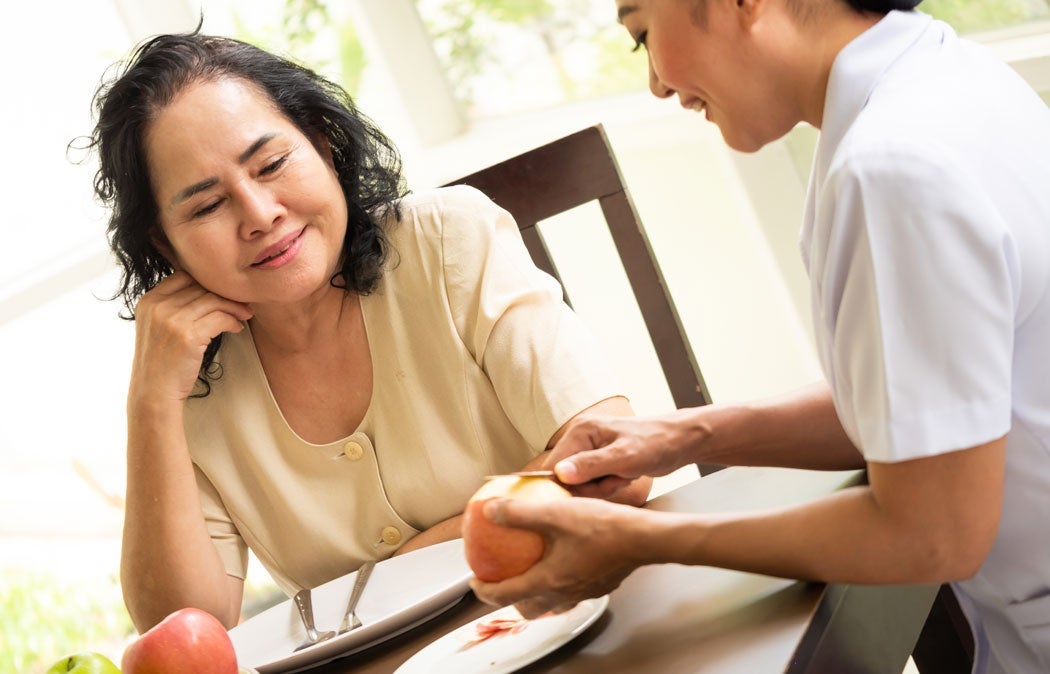
While chemotherapy is a leading treatment for cancer, it can cause many difficult and often unpleasant side effects that often affect a person’s day-to-day life1. Loss of appetite and eating problems are common side effects that many people with cancer face, caused by both cancer and its treatment1.
Following a healthy, well-balanced diet and eating regularly plays a big part in keeping strength and energy levels up during cancer treatment2. But what can you do if someone with cancer doesn’t feel like eating?
While it can be worrying when a cancer patient stops eating as they used to and loses their appetite, there are things you can do to encourage eating well.
Good nutrition is important for cancer patients2. Healthy eating habits and nutritious food can help patients to maintain a healthy weight, keep up their strength and decrease side effects during and after cancer treatment2.
However, there are a number of complications that can impact nutrition2.
The effects of cancer treatments such as chemotherapy or radiotherapy can make it hard to eat well2. They can change how food tastes and smells, as well as your appetite2.
These cancer treatments may also affect the ability to eat enough food or the body’s ability to absorb the nutrients from food2. This can cause malnutrition — a condition caused by a lack of key nutrients2.
Anorexia, an eating disorder characterized by the loss of appetite or desire to eat, is a common problem for people with cancer2,3,4. Anorexia is the most common cause of malnutrition in cancer patients2.
Cachexia — a condition that causes weakness, extreme weight loss, muscle wasting, and fat loss — is also common in patients with tumors that affect eating and digestion2,5. The side effects of both cancer and its treatment can make it hard to eat, and for the body to absorb and use nutrients2,5.
Cachexia can also occur in cancer patients who are eating well — though someone might appear to be eating enough, the body may not be able to absorb nutrients from food and may not store fat and muscle because of tumor growth2. And as the body gets fewer nutrients, it burns existing fat and muscle5.
Although the above side effects and complications can feel alarming, there are changes that can help with nutrition2.
A registered dietitian will work with a patient and their family to improve the patient's nutrition through changes to how they eat, what they eat, and how often food is eaten2.
Following a nutritional diet with the right amount of protein and calories can help with healing, fighting infection, and having enough energy during cancer treatment2.
Fruits and vegetables play important roles in health as they contain many essential nutrients and phytochemicals6. Colorful fruits and vegetables — such as berries, mangoes, carrots, broccoli, and spinach — are rich sources of antioxidants and can help support the immune system6.
Certain foods may cause cancer symptoms or side effects from treatment to worsen — particularly feelings of nausea. Learning about these food items and any possible reactions can help you to navigate meal times and prepare food in a way that can encourage a cancer patient to eat 7.
For more information about what foods to eat depending on which cancer you have been diagnosed with, we recommend reading:
If a loved one has cancer or you are caring for someone with cancer, speak to their care team, doctor or dietitian about the foods that should and shouldn’t be eaten during treatment.
Both cancer and experiencing side effects of cancer treatment can make it difficult for patients to eat, let alone get the nutrients that they need.
Nausea and vomiting are two common side effects and can often lead to a loss of appetite8. Changes in how food tastes and smells, fatigue, and side effects such as mouth and throat problems can also make eating difficult and lower your appetite8,9.
There are a few signs that you should look out for that will highlight if a loved one has lost their appetite or not due to their cancer treatment. Weight change and a sudden refusal to eat favorite foods are two that are common10.
A loss of appetite may lead to poor nutrition or malnutrition10. As a result, a patient can lose weight and muscle mass — and in some cases, prolonged malnutrition can cause serious health complications10.
Some patients may only show some of the signs and symptoms of malnutrition, so it is important to be vigilant. Showing little to no interest in food can be a tell-tale sign.
For more information, visit our My Cancer My Nutrition information hub.
Although a cancer patient might not feel like eating, it is important that you help them, especially if you are their caregiver.
There are several things you can try to encourage someone with cancer to maintain their calorie, protein, and fluid intake.
It is important to not be forceful — be patient and ask the person you are looking after for their preferences. If you feel like you are struggling, speak to their cancer care team. They will be able to give you helpful advice on preparing food and encouraging eating.
There are some instances where a cancer patient may struggle to eat. If this occurs, then some nutritional supplements can act as a replacement for meals12.
High protein supplements like Resource Support Plus from Nestlé Health Science can help cancer patients replace lost nutrients and keep their energy levels and strength up.
There are other products that can help too, such as protein powder and shakes. Typically, these are easy to digest.
Although these are some great alternatives, it is important to note that all cancer patients should see a dietitian as nutritional supplements are not necessarily a permanent solution. A healthcare specialist like a dietitian will be able to give expert medical advice that can help to assist someone with cancer.
Any patient who is having problems with their nutrition intake as a result of their condition or treatment should consult with an oncology dietitian as soon as possible.
An oncology dietitian plays a crucial role in a cancer patient’s treatment13. Their role is to provide medical nutrition therapy which focuses on managing symptoms, weight management, and maintaining optimal nutrition throughout treatment13.
An oncology dietitian works alongside doctors, nurses, and other healthcare professionals throughout each stage of cancer treatment, to assess what nutrition advice someone with cancer needs13. Some patients may need help in making the most of what they are eating, whilst others may need support with weight and strength.
An oncology dietitian will support cancer patients by helping them receive the nutrition that their bodies need. If you are struggling to encourage someone with cancer to eat, do not hesitate to get in touch with your local oncology dietitian.
You can visit My Cancer My Nutrition to find out more about diet and nutrition throughout a cancer patient’s journey.
Nestlé Health Science offers a complete range of Foods For Special Dietary Use to support patients and caregivers throughout their cancer treatment journey from general well-being through to managing specific side effects.
Learn More About the Product Portfolio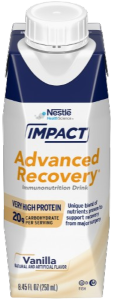

As the vibrant colours of October paint our South African landscape, we step into months brimming with vital awareness and powerful purpose.
Read more
Exercising according to medical advice is great for patients’ rehabilitation and well-being
Read more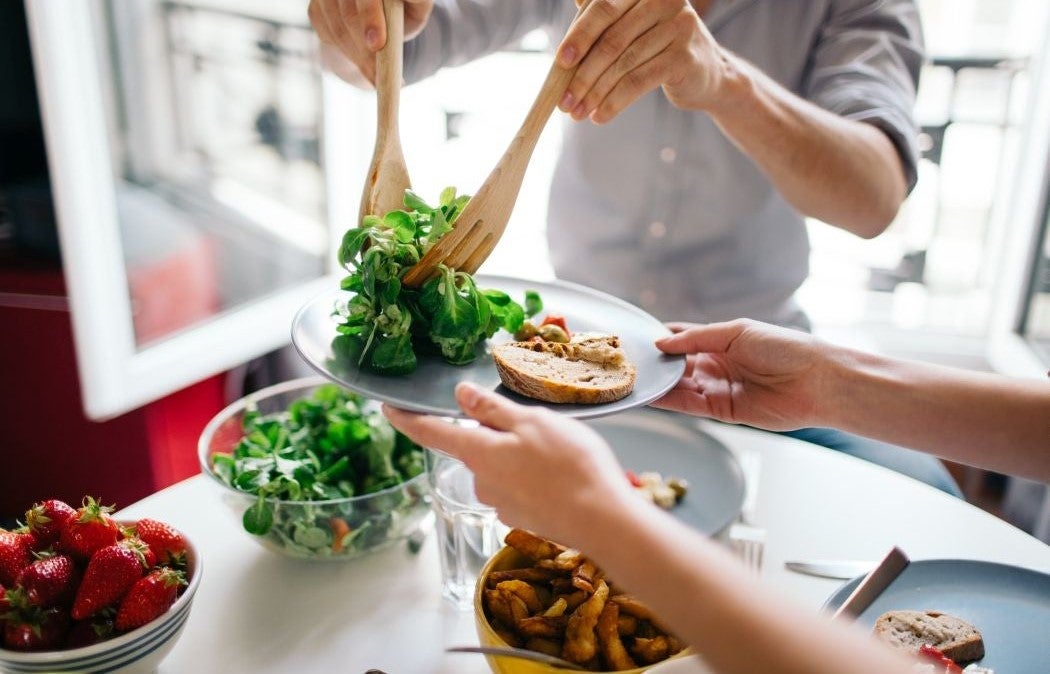
Nutritional recovery aims to prevent and treat malnutrition, boost the immune system, speed up recovery after surgeries, reduce hospital length of stay and improve response to cancer treatment in general. 1,2 Learn about the stages of nutritional recovery.
Read more
In order to cope with the treatment, the immune system and the whole body need a boost.
Read more
Muscle loss can occur with the rapid weight loss sometimes experienced during cancer treatment.
Read more
Difficulty chewing and swallowing can occur due to location of cancer and radiation therapy that targets the throat, esophagus and lungs.
Read more
Being afraid that the cancer might come back is something common, especially in the first year after treatment, as well as being insecure about possible physical changes, such as hair loss and weight changes.1
Read more
Therapeutic strategies allow facing the challenges of moving forward.
Read more
While chemotherapy is a leading treatment for cancer, it can cause many difficult and often unpleasant side effects that often affect a person’s day-to-day life1. Loss of appetite and eating problems are common side effects that many people with cancer face, caused by both cancer and its treatment1.
Read more