
Hope and Purpose Through Every Season
As the vibrant colours of October paint our South African landscape, we step into months brimming with vital awareness and powerful purpose.
Read more
Whether it’s conducted at home or in the hospital, nutritional therapy consists of a series of processes intended to assess patients’ nutritional status and determine what their bodies need to function or recover. It can be divided as follows:1
Nutritional screening - A quick stage to assess the risk of malnutrition (low, moderate or high). Each hospital or clinic has their own policy, but they usually check if there is weight loss (and how much), and whether food intake is enough for individual needs. Some of the most common methods are:1
In case there’s a low risk for malnutrition, patients are submitted to other screenings throughout treatment. If there is a risk, nutritional assessment should be taken further for a nutritional therapy implementation.1
Nutritional assessment of the patient - A series of detailed criteria are used to determine patients’ level of nutritional risk and choose the best way to improve their nutritional status. In general, the risk criteria are:2
In adults2
In children and adolescents2
The elderly2
Nutritional needs calculation - It’ll be based on age, nutritional assessment results, disease stage, the person’s health condition and reported symptoms. People who need to gain muscle mass or weight should consume a higher daily number of calories and proteins. The elderly and children with malnutrition and weight loss require special attention and should have their daily nutritional needs reviewed by a nutritionist.1
Indication of nutritional therapy - In case doctors and/or nutritionists come to the conclusion that the patient is consuming less than what they need to regain or maintain weight, an appropriate nutritional therapy might be recommended. They are divided into three types:2
For the recovery to happen as quickly as possible, it’s important that there’s communication and cooperation between family members/caregivers and the health care team.
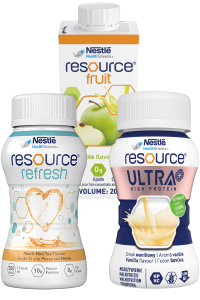
Nestlé Health Science offers a complete range of Foods For Special Dietary Use to support patients and caregivers throughout their cancer treatment journey from general well-being through to managing specific side effects.
Learn More About the Product Portfolio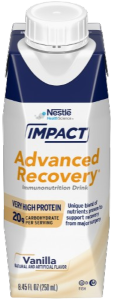

As the vibrant colours of October paint our South African landscape, we step into months brimming with vital awareness and powerful purpose.
Read more
Exercising according to medical advice is great for patients’ rehabilitation and well-being
Read more
Nutritional recovery aims to prevent and treat malnutrition, boost the immune system, speed up recovery after surgeries, reduce hospital length of stay and improve response to cancer treatment in general. 1,2 Learn about the stages of nutritional recovery.
Read more
In order to cope with the treatment, the immune system and the whole body need a boost.
Read more
Muscle loss can occur with the rapid weight loss sometimes experienced during cancer treatment.
Read more
Difficulty chewing and swallowing can occur due to location of cancer and radiation therapy that targets the throat, esophagus and lungs.
Read more
Being afraid that the cancer might come back is something common, especially in the first year after treatment, as well as being insecure about possible physical changes, such as hair loss and weight changes.1
Read more
Therapeutic strategies allow facing the challenges of moving forward.
Read more
While chemotherapy is a leading treatment for cancer, it can cause many difficult and often unpleasant side effects that often affect a person’s day-to-day life1. Loss of appetite and eating problems are common side effects that many people with cancer face, caused by both cancer and its treatment1.
Read more