
Hope and Purpose Through Every Season
As the vibrant colours of October paint our South African landscape, we step into months brimming with vital awareness and powerful purpose.
Read more
A lot of cancer patients feel exhausted and lose muscle mass as the disease advances and/or due to treatment.1 Additionally, some chemotherapy drugs increase the risks of developing cardiovascular diseases.2 Doctors and scientists recommend practicing physical activities during treatment too, in order to prevent cardiovascular diseases and enjoy numerous other benefits, such as: 3
More:
Less/lower:
A study by the American Society of Clinical Oncology revealed that 75% of people stopped or cut back exercising after being diagnosed with cancer. The most common reasons were: fatigue, lack of motivation, pain and trouble keeping the exercises in their everyday lives.1
Another one was the assumption that cancer patients should not be physically active, but remain at absolute rest instead. However, except in case of bone metastasis (when there’s a high risk of fractures), and low platelet count (less than ten thousand), that is not true.4
The benefits of practicing physical activities vary from person to person, according to different intensity levels, type of disease and the patient’s health condition.
Exercising helps to prevent bowel, endometrium and postmenopausal breast cancer because it:
It can be challenging choosing and regularly practicing exercises for those who don’t already. Still, it is important to be active and adjust to this new lifestyle. Here are some tips:5
The recommended is 30 minutes a day, but there is evidence that shows less than that is also beneficial. So the important thing is to choose something you enjoy and get started.5
It is imperative that you talk to your doctor before practicing any physical activity. They will let you know about any activities that wouldn’t be recommend and advise you on how to start.
Nestlé Health Science offers a complete range of Foods For Special Dietary Use to support patients and caregivers throughout their cancer treatment journey from general well-being through to managing specific side effects.
Learn More About the Product Portfolio

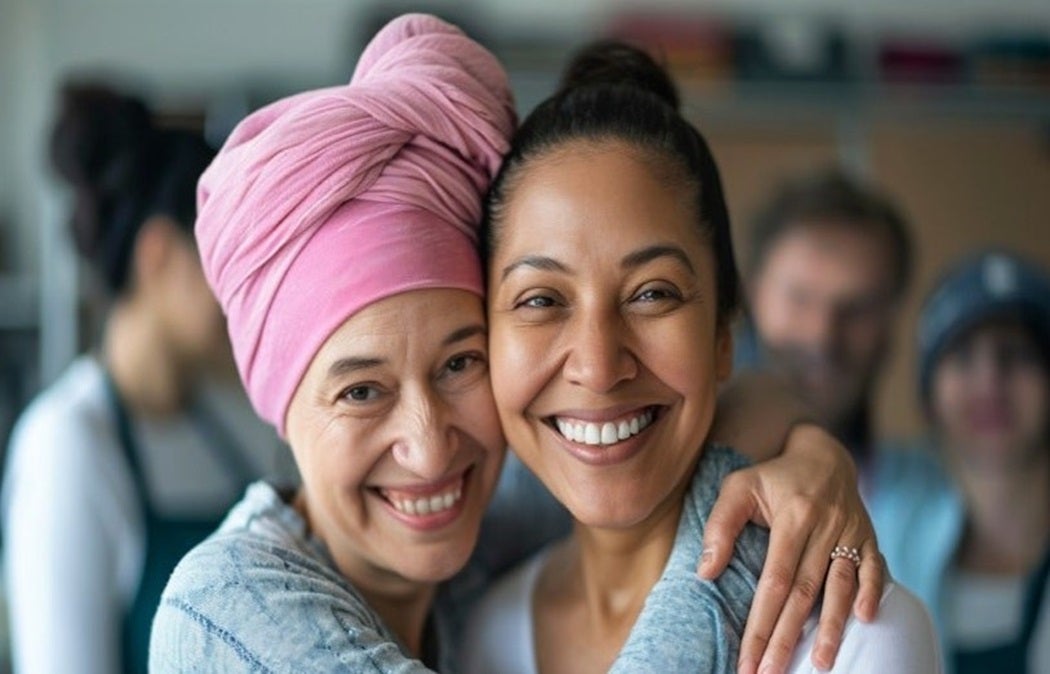
As the vibrant colours of October paint our South African landscape, we step into months brimming with vital awareness and powerful purpose.
Read more
Exercising according to medical advice is great for patients’ rehabilitation and well-being
Read more
Nutritional recovery aims to prevent and treat malnutrition, boost the immune system, speed up recovery after surgeries, reduce hospital length of stay and improve response to cancer treatment in general. 1,2 Learn about the stages of nutritional recovery.
Read more
In order to cope with the treatment, the immune system and the whole body need a boost.
Read more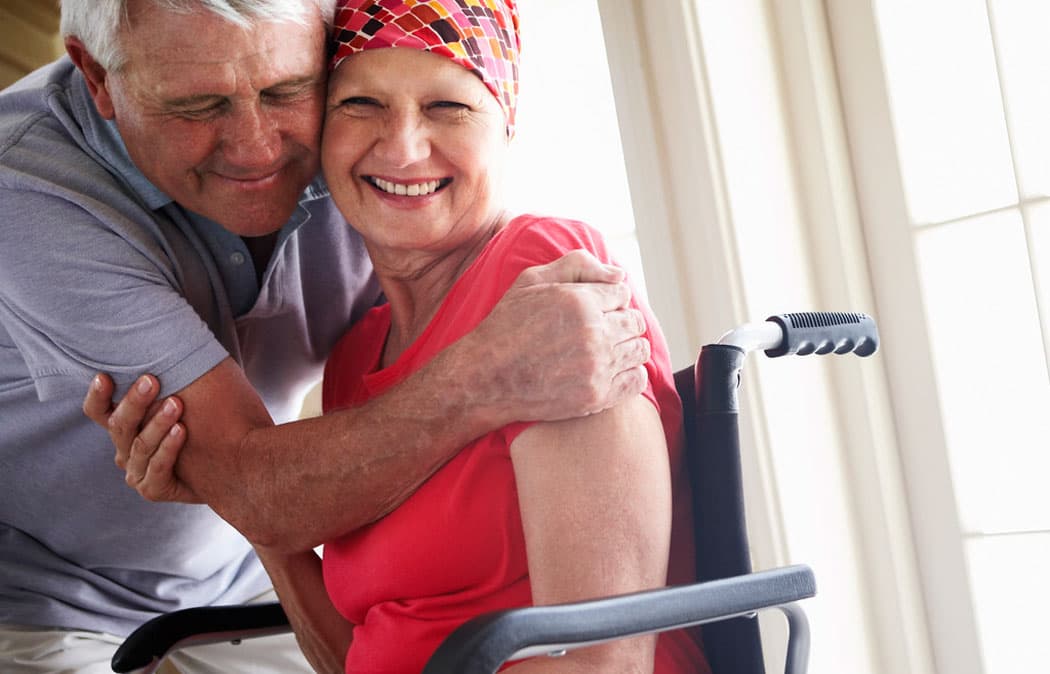
Muscle loss can occur with the rapid weight loss sometimes experienced during cancer treatment.
Read more
Difficulty chewing and swallowing can occur due to location of cancer and radiation therapy that targets the throat, esophagus and lungs.
Read more
Being afraid that the cancer might come back is something common, especially in the first year after treatment, as well as being insecure about possible physical changes, such as hair loss and weight changes.1
Read more
Therapeutic strategies allow facing the challenges of moving forward.
Read more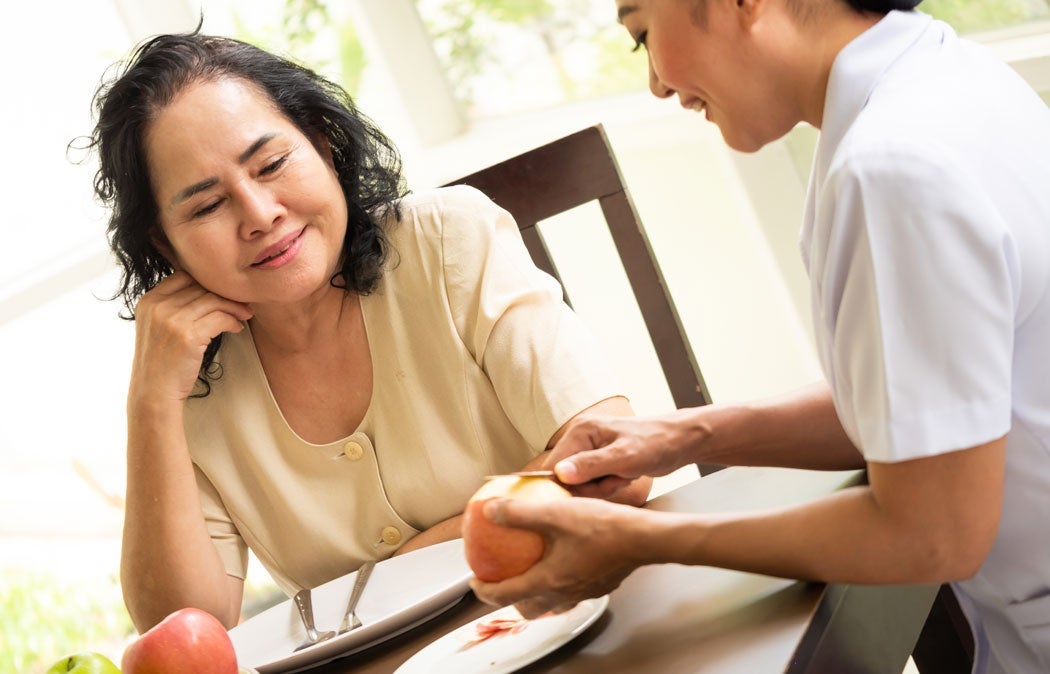
While chemotherapy is a leading treatment for cancer, it can cause many difficult and often unpleasant side effects that often affect a person’s day-to-day life1. Loss of appetite and eating problems are common side effects that many people with cancer face, caused by both cancer and its treatment1.
Read more