
Hope and Purpose Through Every Season
As the vibrant colours of October paint our South African landscape, we step into months brimming with vital awareness and powerful purpose.
Read more
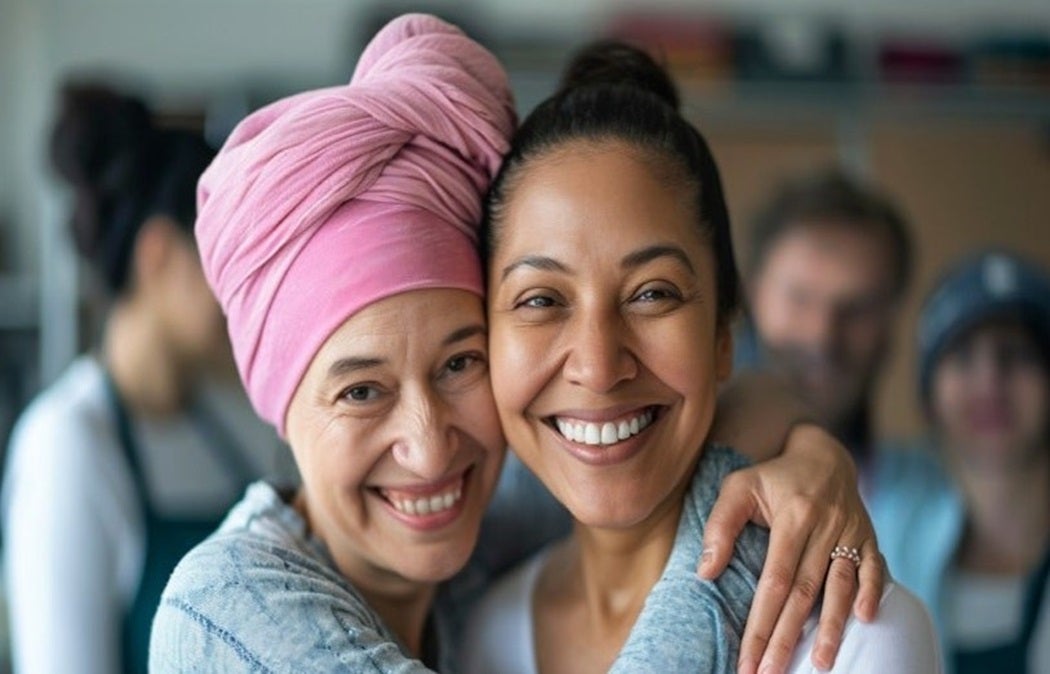
It’s estimated that between 15% and 40% of those who underwent cancer treatment still struggle psychosocially, e.g., connecting with family and friends and returning to work.1,2
Psycho-oncology presents therapeutic activities that help with psychological, behavioral, social and wellness issues after cancer treatment.3,4 Some of the strategies focused on smoothing the return to the social and professional routines are:
Support groups that help social reintegration - In these groups, people seek to relieve the stress caused by cancer treatment by sharing their experiences. That way, they find support to build healthy relationships with family and friends.1,5,7
Vocational rehabilitation - This will make returning to work easier with practices and techniques for reintegration to the professional environment. Going back to work is also a way to reconnect with people and to reach autonomy again.1,6,7
Programs for reducing stress caused by cancer - The treatment’s adverse reactions can generate emotional stress and anxiety/depression symptoms. As a way of preventing this, psycho-oncology has strategies for dealing with these emotions during and after treatment.1,7
Relaxation and meditation techniques to relieve anxiety - These are meant to practicing mindfulness, which helps focusing on the present moment and reaching a soothing and calm mental state. This makes it easier to reduce and even avoid thoughts that may trigger anxiety crises.1,7,8
A lot of people who go through cancer treatment like to use the experience as a turning point to live a healthier life. Psycho-oncology helps focusing on health and holding on to these changes.2 Amongst the most common lifestyle changes after the end of cancer treatment and beginning of psycho-oncology therapy are:2
Besides psycho-oncology, there are other practices that help reestablishing a new routine. Learn more about other ways to recover life quality after cancer treatment.
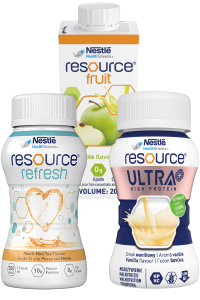
Nestlé Health Science offers a complete range of Foods For Special Dietary Use to support patients and caregivers throughout their cancer treatment journey from general well-being through to managing specific side effects.
Learn More About the Product Portfolio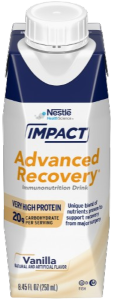
As the vibrant colours of October paint our South African landscape, we step into months brimming with vital awareness and powerful purpose.
Read more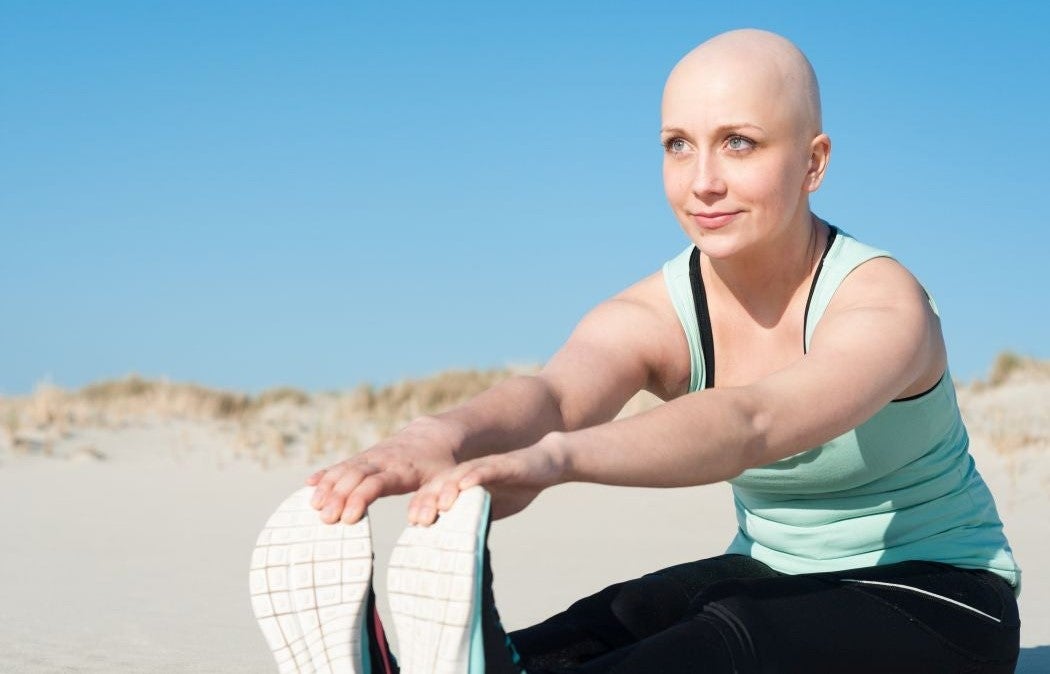
Exercising according to medical advice is great for patients’ rehabilitation and well-being
Read more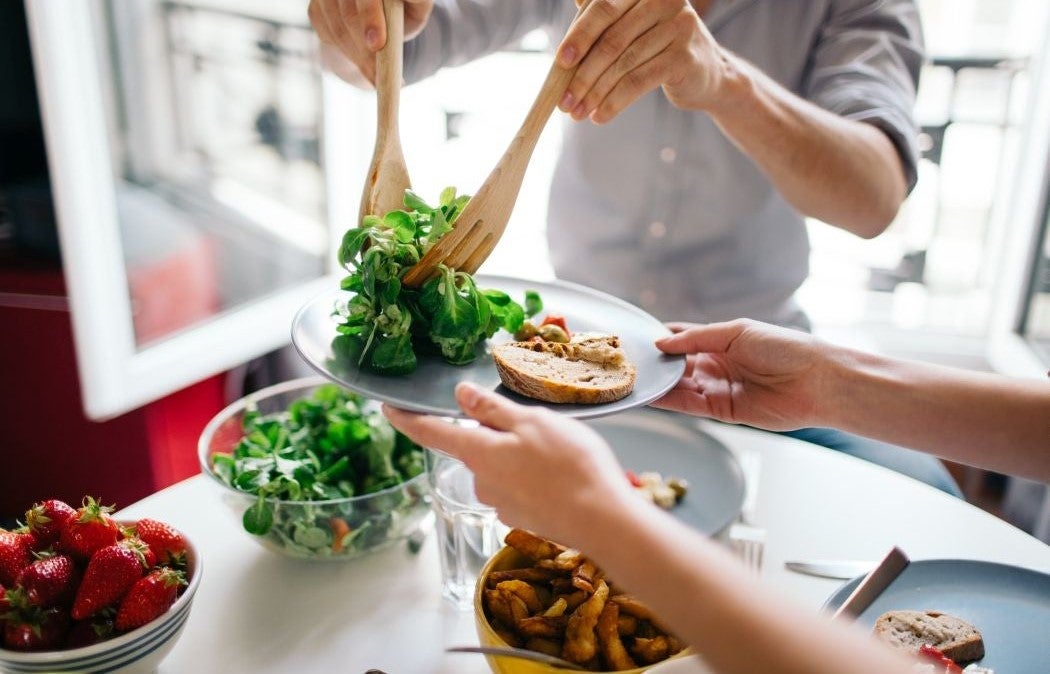
Nutritional recovery aims to prevent and treat malnutrition, boost the immune system, speed up recovery after surgeries, reduce hospital length of stay and improve response to cancer treatment in general. 1,2 Learn about the stages of nutritional recovery.
Read more
In order to cope with the treatment, the immune system and the whole body need a boost.
Read more
Muscle loss can occur with the rapid weight loss sometimes experienced during cancer treatment.
Read more
Difficulty chewing and swallowing can occur due to location of cancer and radiation therapy that targets the throat, esophagus and lungs.
Read more
Being afraid that the cancer might come back is something common, especially in the first year after treatment, as well as being insecure about possible physical changes, such as hair loss and weight changes.1
Read more
Therapeutic strategies allow facing the challenges of moving forward.
Read more
While chemotherapy is a leading treatment for cancer, it can cause many difficult and often unpleasant side effects that often affect a person’s day-to-day life1. Loss of appetite and eating problems are common side effects that many people with cancer face, caused by both cancer and its treatment1.
Read more