
Hope and Purpose Through Every Season
As the vibrant colours of October paint our South African landscape, we step into months brimming with vital awareness and powerful purpose.
Read more
In order to cope with the treatment, the immune system and the whole body need a boost.
You can begin preparing your body, especially the immune system, even before starting the tougher treatment methods (surgery, chemotherapy, radiotherapy, immunotherapy and hormone therapy). This way, it’ll be stronger going through each session and procedure.1,4 Understanding how cancer can impact nutrition and what adjustments are suitable for each person’s needs is crucial.
One of the ways cancer impacts the body is causing malnutrition, which can be as a result of a lower appetite, metabolic changes caused by the tumor, and side effects of treatments.1 Learn why malnutrition is common in cancer patients:
The tumor’s metabolic activity interferes with how the body absorbs nutrients such as carbohydrates, proteins and fats. Consequently, the following may occur1:
Between 20% to 80% of cancer patients become malnourished, more frequently the elderly and those in more advanced stages of the disease.4 According to an individual assessment of nutritional status, it may be necessary to make dietary adjustments and take nutritional supplements.4
The treatment, whether it’s chemotherapy, hormone therapy, radiotherapy, immunotherapy and/or surgical intervention, can cause several side effects that affect appetite, digestion and, consequently, nutrition. They are:1,3
Before the treatment begins, there’s no way of knowing how the body will react to medications. However, when someone can't meet their nutritional goals through a normal diet, specialised nutritional therapy can help reaching them and increasing the patient’s tolerance to the treatment. Ask your doctor and/or nutritionist about the need of a nutritional therapy.
Nutritional intervention includes orientation about what would be the best diet, help coping with the disease/treatment’s side effects that interfere with food intake, and guidance about dietary supplements.4
Learn what you can do along with the nutritional therapy to adjust your diet after being diagnosed:3
After you are diagnosed, it’s important to ask all your questions about nutrition before and during treatment. As well as talking to the doctors who will treat the disease, seek the help of a nutritionist too.
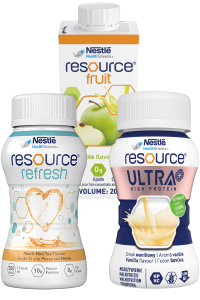
Nestlé Health Science offers a complete range of Foods For Special Dietary Use to support patients and caregivers throughout their cancer treatment journey from general well-being through to managing specific side effects.
Learn More About the Product Portfolio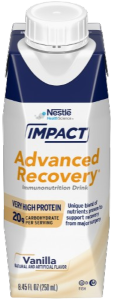

As the vibrant colours of October paint our South African landscape, we step into months brimming with vital awareness and powerful purpose.
Read more
Exercising according to medical advice is great for patients’ rehabilitation and well-being
Read more
Nutritional recovery aims to prevent and treat malnutrition, boost the immune system, speed up recovery after surgeries, reduce hospital length of stay and improve response to cancer treatment in general. 1,2 Learn about the stages of nutritional recovery.
Read more
In order to cope with the treatment, the immune system and the whole body need a boost.
Read more
Muscle loss can occur with the rapid weight loss sometimes experienced during cancer treatment.
Read more
Difficulty chewing and swallowing can occur due to location of cancer and radiation therapy that targets the throat, esophagus and lungs.
Read more
Being afraid that the cancer might come back is something common, especially in the first year after treatment, as well as being insecure about possible physical changes, such as hair loss and weight changes.1
Read more
Therapeutic strategies allow facing the challenges of moving forward.
Read more
While chemotherapy is a leading treatment for cancer, it can cause many difficult and often unpleasant side effects that often affect a person’s day-to-day life1. Loss of appetite and eating problems are common side effects that many people with cancer face, caused by both cancer and its treatment1.
Read more